
A stable and solid WiFi signal is essential in this age of digital. It is vital for productivity and connectivity. The key to achieving this is the strategic position of the Wireless Access Point (WAP). It is essential to place your WAP in a way that will maximize wireless signal strength and stability. Let’s explore the importance of WAP devices and how to choose the best home access point for optimal wireless connectivity.
Wap Wireless Access Points are essential networking devices that enable wireless-enabled devices to join wired networks by using WiFi and similar standards. It plays a vital role in extending the reach of your network while removing the need for cumbersome wires. WAPs WAP receives information from a router over an Ethernet cable and transforms the information into the radio signal. The WAP device will be able to detect this signal, granting them access to networks.
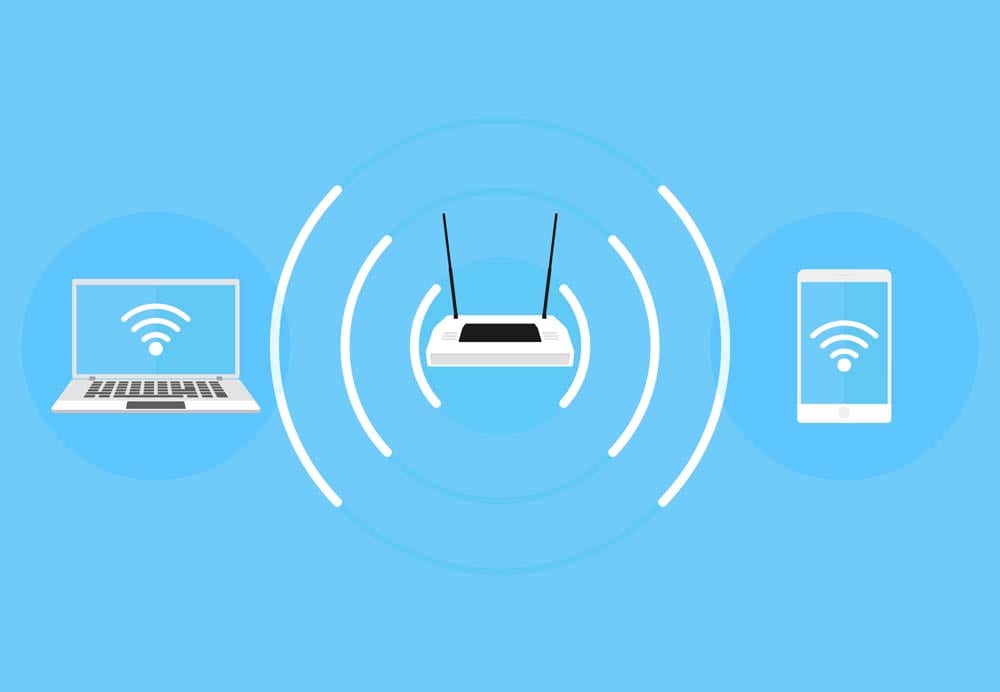
The WAP Placement Process and its Impact
Strategic placement of a WAP is essential to ensure an unwavering and reliable WiFi signal throughout your space. The positioning of the WAP can affect the quality, range and strength of the signal on the WiFi network. Placing the WAP in an optimal location can help in reducing interference, expanding coverage and enhancing the experience of connectivity for users.
The factors that influence the strength of WAP signal
There are many variables that affect the signals the WAP device sends. They include:
The strength of signal refers to the power of the signals sent by WAP.
Range: The length of time that the WAP can send solid and steady signals.
Interference The presence of any obstructions or electronic devices that could interfere with WiFi.
Find the most convenient home access point
To ensure the best WiFi performance, choosing the right WiFi provider for your office or home is essential. Here are some factors to think about when selecting the right home access point:
Signal Strength and Range: Select an internet provider with an impressive signal with a a wide coverage area. It ensures that the WiFi signal is available throughout the areas you want with no dead spots.
Select a WAP which features technologies for interference management. Triple-band or dual-band technology can be utilized to navigate WiFi channels that are congested.
Easy Setup and Configuration – Choose a WAP which is simple to configure and set up. Simple installation procedures and user-friendly interfaces save time and effort.
Security Features: Prioritize WAPs with secure security features that are robust, such as encryption protocols as well as security settings. This will protect your network and information.
Scalability: Ensure that the WAP will handle the devices you’re connecting. The capacity of scalable WAPs increases as networks expand, making them a future-proof purchase.
Optimising WAP placement for maximum performance
Central Location: Install the WAP in the central location for a uniform spread of WiFi throughout the space. This will reduce dead zones, as well as ensure a consistent connection throughout the structure.
Elevation – Mount the WAP on a surface that is higher like ceilings or walls. This allows the signal to be broadcasted more effectively and gives better coverage.
Preventing Interference: Keep your WAP away form devices and materials that could create interference. These include cordless phones and microwaves, as well as metal structures. This will help ensure a clean and strong WiFi signal.
Professional Assessment: You may consider consulting IT experts who can conduct an in-depth analysis of your area. They can assist you in determining the best spots for WAP placement based on your specific requirements.
The conclusion of the article is:
In the ever-changing technology world, a reliable WiFi connection is vital. Wireless Access Points (WAPs) are essential to providing this by extending the range of your network, and delivering the most reliable WiFi signal. The best performance of WiFi can be obtained by positioning your WAP at a suitable location as well as selecting the correct WiFi access point.
Making the effort of studying your area, understanding the factors that affect the strength of WAP signals, and focusing on the key characteristics of a WAP could significantly improve the quality of your WiFi. You can make the most of your WiFi network by gaining a thorough understanding of the art and science of WAP placement.