
No matter if you’re an professional or amateur shooter the optic’s parts contribute to getting the most out of your shooting. A thorough understanding of the parts can ensure that your equipment is operating flawlessly on every shot.
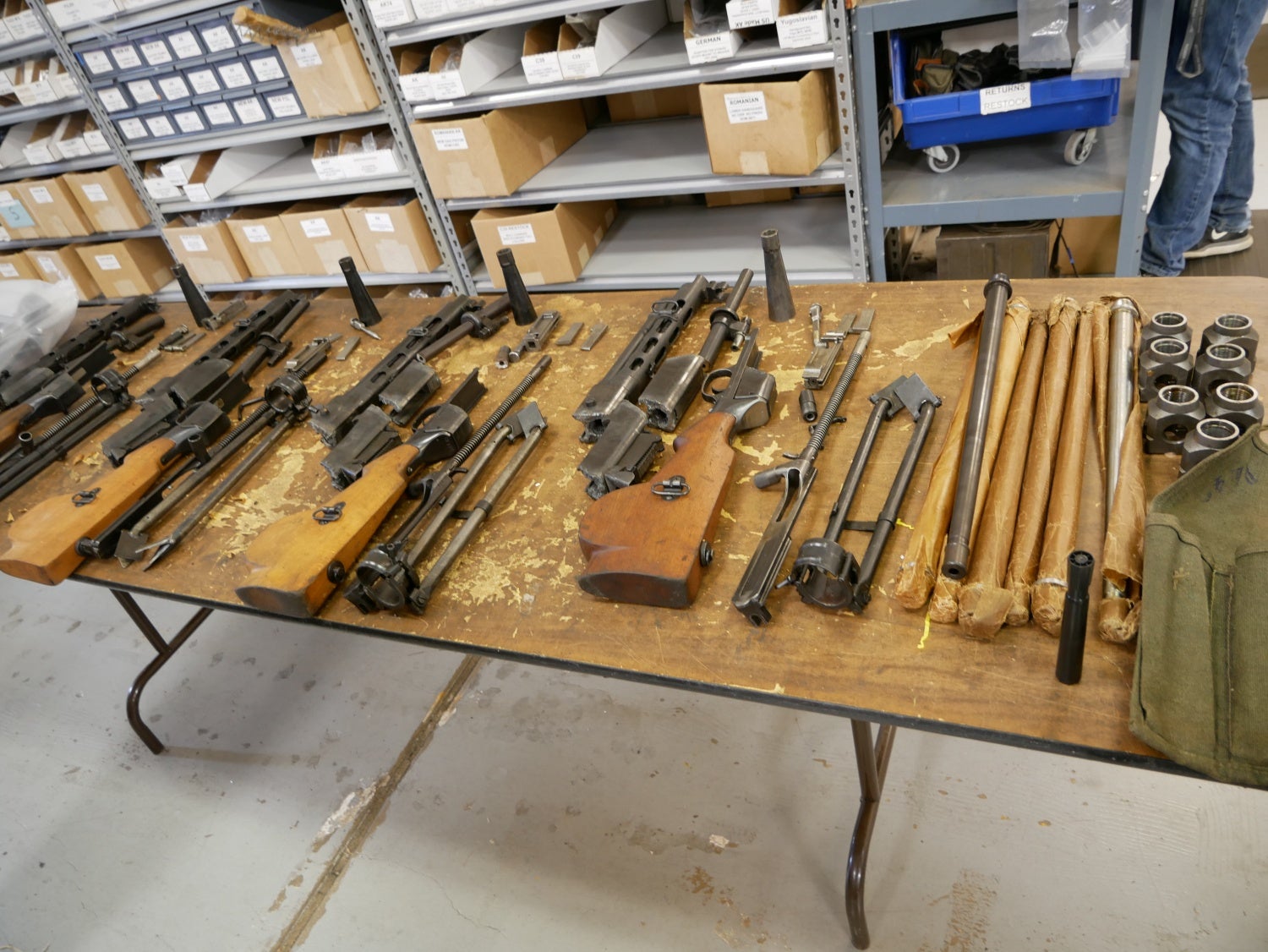
Optic Parts: Understanding their Value in shooting Sports
When shooting sports, whether hunting, competitive shooting, or simply a casual shoot at the range using a reliable, accurate firearm is important. One component that is often ignored but is a major factor in accuracy and precision is optic parts. Optic parts, sometimes referred to as sights, are affixed onto firearms to help shooters focus more precisely and efficiently. In this post, we’ll discuss the importance of optic parts and the ways they can improve your shooting skills.
What is Optic Parts?
Optic parts are tools to help shooters improve their accuracy when shooting. Optic parts come in various varieties, such as iron sights, red dots, holographic sight magnified scopes, holographic sight. Each part of the optic is distinctive and has its own pros and cons. Your preferences for shooting and shooting preferences will determine which optic part you choose.
Iron sights are the simplest kind of optic component and are typically found on traditional firearms. They comprise the front sight post as well as an notch for the rear sight, and the shooter will align the two in order to shoot at the object. Red dot sights employ tiny LEDs to create the appearance of a dot on the lens. The popularity of this sight is due to its ease of use and speed. These sights are commonly utilized in tactical and military applications. They employ a laser to create the Hologram-like reticle. The magnified scopes are equipped with lenses that can magnify the target in order so that it is easier to focus on long distances.
What is the reason Optic Parts Important?
Optic components aid shooters in aiming more precisely and better. Optic parts enable shooters to achieve greater precision in their aim and at higher distances. Optic parts allow for faster target acquisition , which allows shooters to aim quicker and more accurately. Optic components can also enhance shooting accuracy even in low light conditions, which is why they are vital for hunting and tactical situations.
Making the Right Optic Parts
The best way to maximize your shooting capabilities is to use the right optic components. When selecting an optic component, there are many factors to think about like your shooting needs as well as your budget and the type of firearm. Also, take into consideration magnification, as well as the type of reticle.
Magnification is the term used to describe the zoom an optics component offers. Magnified scopes can be employed to long-range shoot because they can improve accuracy on targets as far as hundreds of yards away. However, magnified scopes might not be suitable to shoot close-range. Most popular among tactical shooters are the red and green dots sights. They can be used for fast target acquisition and close-range shooting.
The type of reticle is an important factor when selecting an optic part. Different types of reticles can be used in different shooting conditions. For instance, a basic crosshair reticle is perfect for target shooting, while the BDC (bullet drop compensating) reticle is suitable for shooting at long distances.
Upkeep of Your Optic Parts
Once you’ve selected your optics it is essential to maintain them correctly. Regular maintenance will ensure that your optic components are reliable and precise for many years to come. Cleaning your lenses and checking the zero are some of the essential maintenance tasks. The proper storage of your lenses is essential.
Cleaning the lenses is essential to ensure that your optical parts give sharp and precise image. Utilize a microfiber cloth and a lens cleaning solution to clean your lenses. Avoid sharp materials and paper towels as they can scratch lenses.
To ensure that they are aligned properly, check the zero of your optic components. The optics may be disaligned with time due to recoil, among other things. You can determine the correctness of the zero by taking handful of shots of a target. Then , adjust the optics parts according to the requirements.
For more information, click Gun Parts